
How to Optimize Your Business for Seasonal Trends in the UAE


Understanding Seasonal Trends in the UAE
Seasonal trends can significantly impact businesses in the UAE, a country known for its dynamic market and diverse consumer base. Understanding these trends is crucial for optimizing your business strategy. The UAE has unique seasonal patterns influenced by cultural events, holidays, and climatic changes.
The holy month of Ramadan, for example, is a significant period that affects consumer behavior. Businesses often experience increased demand for certain products during this time, making it essential to plan accordingly. Similarly, the shopping festival season sees a surge in retail activity, which can be leveraged for boosting sales.
Analyzing Consumer Behavior
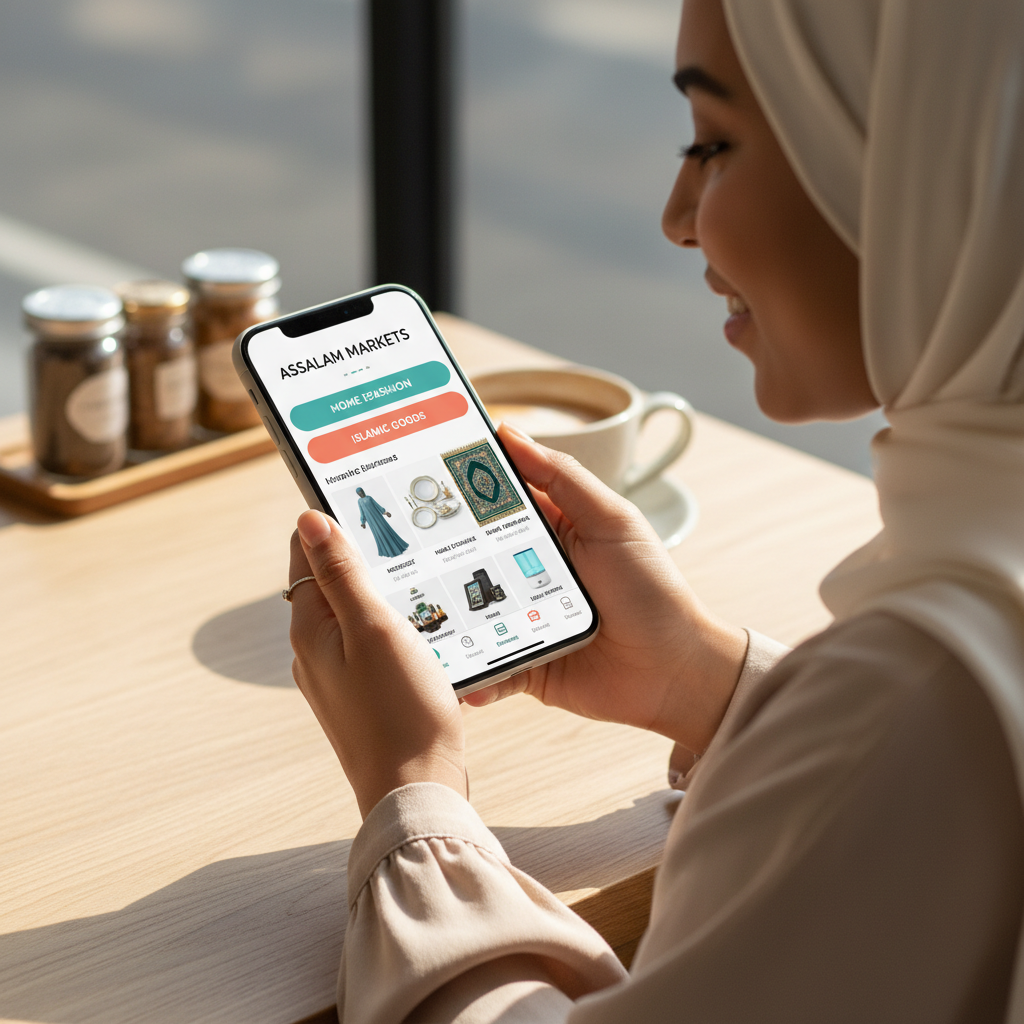
To optimize for seasonal trends, businesses must analyze consumer behavior and preferences. Utilize data analytics tools to gather insights into purchasing patterns during different seasons. This data can help in crafting targeted marketing campaigns and stocking inventory according to demand.
Consider conducting surveys or leveraging social media to gain direct feedback from your customers. Understanding what your audience is looking for during specific times of the year can give you a competitive edge.
Enhancing Your Marketing Strategy
Once you have a clear understanding of seasonal trends and consumer behavior, it’s time to enhance your marketing strategy. Tailor your marketing messages to align with the season. For instance, during Ramadan, focus on themes of community and giving. During the summer, emphasize cooling products or travel deals.

Utilize digital marketing channels like email, social media, and online ads to reach your audience effectively. Special offers, discounts, and promotions tied to the season can attract more customers and boost sales.
Optimizing Inventory and Supply Chain
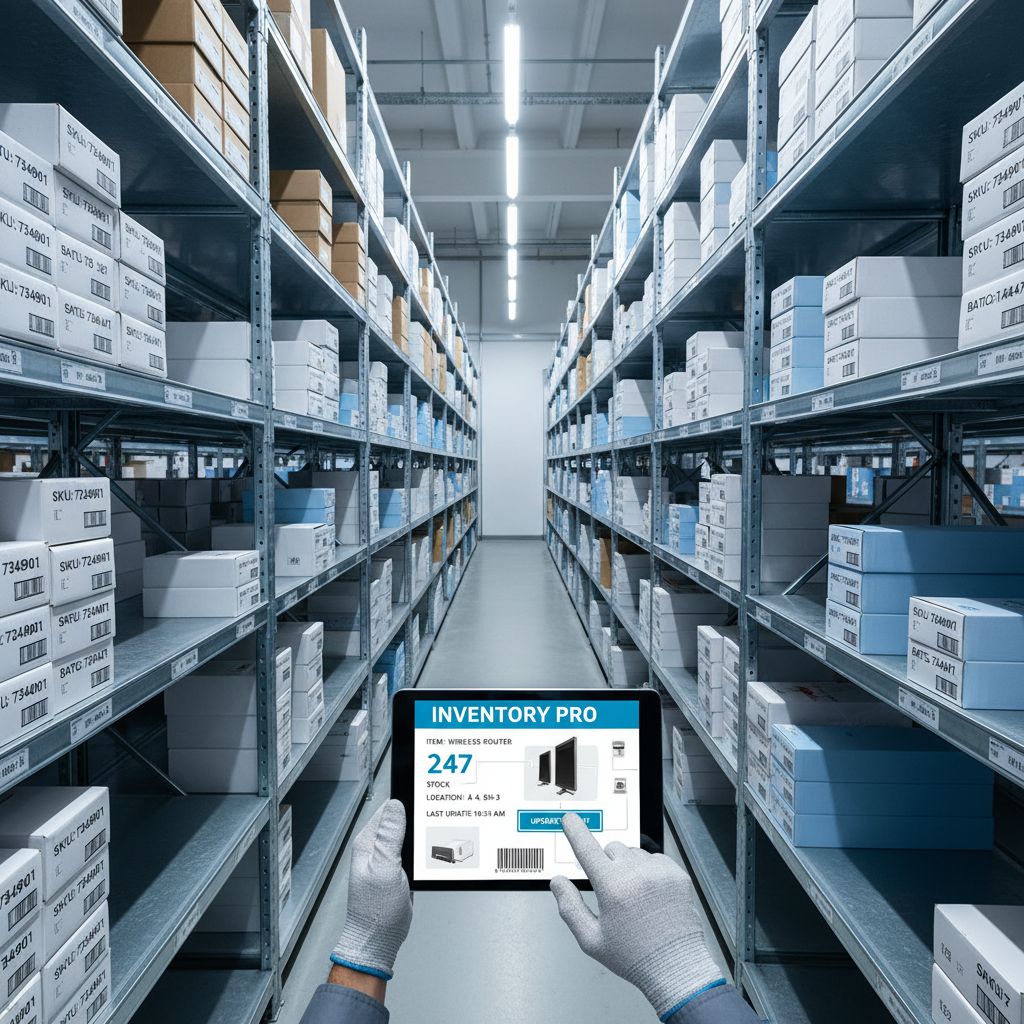
Inventory management is crucial when dealing with seasonal demand. Analyze past sales data to forecast demand accurately and adjust your inventory levels accordingly. This will help prevent overstocking or stockouts.
Additionally, ensure your supply chain is flexible enough to handle fluctuations in demand. Establish relationships with multiple suppliers to mitigate risks and ensure a steady supply of products.
Leveraging Technology and Data
Embracing technology can greatly aid in optimizing for seasonal trends. Implement Customer Relationship Management (CRM) systems to track customer interactions and preferences. This data can be used to personalize marketing efforts and improve customer engagement.
Moreover, consider using AI and machine learning algorithms to predict trends and automate certain business processes, making your operations more efficient and responsive to changes in demand.
Collaborating with Local Influencers
Partnering with local influencers can amplify your reach during peak seasons. Influencers who resonate with your target audience can promote your products or services, adding authenticity to your marketing efforts. This strategy is particularly effective in the UAE, where social media plays a significant role in consumer decision-making.

Preparing for Post-Season Analysis
Once the season concludes, conduct a thorough analysis of your business performance. Evaluate what strategies worked and identify areas for improvement. This post-season analysis is vital for refining your approach for the next cycle.
Gathering feedback from customers can also provide valuable insights into their experiences and expectations, helping you enhance your offerings and customer service.
Conclusion
Optimizing your business for seasonal trends in the UAE requires a strategic approach that combines understanding consumer behavior, enhancing marketing efforts, and leveraging technology. By staying agile and responsive to the market's dynamics, you can maximize your business's potential during peak seasons.
Remember, preparation and adaptability are key to thriving in the UAE’s ever-evolving business landscape.